
FND-001 Plan the company
Founder readiness review
You receive a 45-minute call and a personalised checklist covering the founders, proposed activities, addresses and next three decisions.
Service directory
Browse defined services for business setup, ecommerce, strategy, research, operations, reporting, automation, procurement, engineering and technical documentation.

Showing 6 of 225 services
No services match. Try a shorter search or clear the filters.
You receive a 45-minute call and a personalised checklist covering the founders, proposed activities, addresses and next three decisions.
We screen five proposed names against the public company register and record possible conflicts for specialist review.
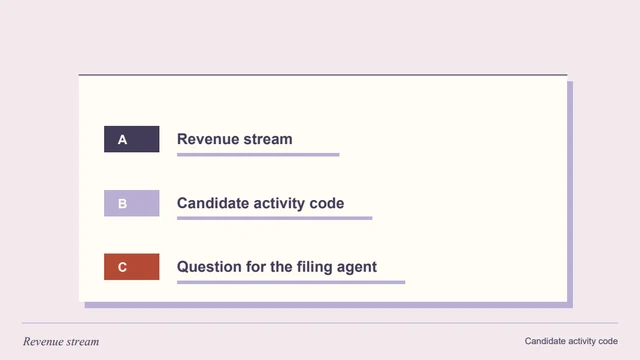
We map up to six planned revenue streams to candidate activities and list questions for the filing agent.
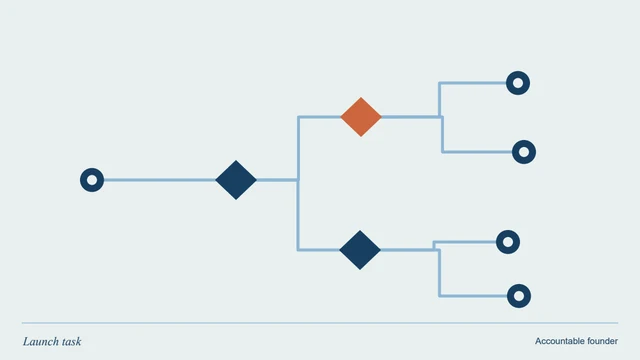
We document who will own ten launch tasks across a team of up to four founders.
We draw one ownership chart from supplied records and flag missing facts for the founder and adviser.
We map one founder’s country of residence to published formation and banking requirements, with remote and in-person steps flagged.
We coordinate one standard company limited by shares with a supervised agent and deliver a filing checklist and handover call. The appointed agent handles the filing. Statutory and agent fees are separate.
We organise one membership and director intake pack for the specialist handling the incorporation.
We prepare the agreed member details and track one LLP registration through the appointed agent.
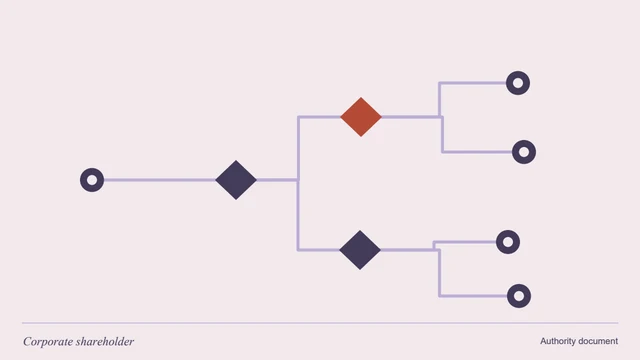
We index the ownership and authority records for one corporate shareholder for agent review.
We compare two eligible address providers and coordinate onboarding with the founder’s choice. Address subscription is extra.
We prepare one director for a verified agent appointment and track completion. The agent performs the identity check.
We compare three providers’ published residence, ownership, sector and account requirements against one founder brief. The applicant controls submission and the provider decides whether to open the account.
We review one provider’s published checklist against a redacted document list and return a gap report and action call. The applicant controls submission and the provider decides whether to open the account.
We draft a two-page description of actual products, customers, markets and trading arrangements for founder approval. The applicant controls submission and the provider decides whether to open the account.
We build a 12-month table of expected receipts, payments, countries and currencies using the founder’s own estimates. The applicant controls submission and the provider decides whether to open the account.
We organise up to ten genuine supporting records by funding event and flag gaps for the applicant. The applicant controls submission and the provider decides whether to open the account.
We reconcile one applicant’s ownership chart to up to eight redacted supporting records and list discrepancies. The applicant controls submission and the provider decides whether to open the account.
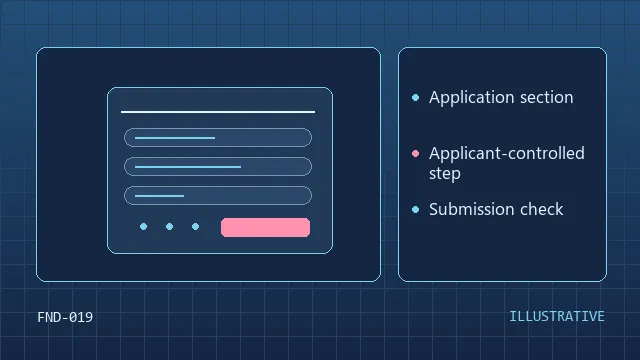
We walk one director through one provider’s form by video. The director enters credentials, signs and submits. The applicant controls submission and the provider decides whether to open the account.
We coordinate the document requests and sign-off sequence for up to four directors of one company. The applicant controls submission and the provider decides whether to open the account.
We prepare one applicant pack against a chosen provider’s overseas requirements and flag possible attendance requests. The applicant controls submission and the provider decides whether to open the account.
We model published account and transaction fees for three providers against one supplied trading pattern. The applicant controls submission and the provider decides whether to open the account.
We organise evidence and draft a factual reply to one provider request with up to five questions. The applicant controls submission and the provider decides whether to open the account.
We build a migration schedule for one trading account, including up to 20 incoming or outgoing payment relationships. The applicant controls submission and the provider decides whether to open the account.
We index up to 15 incorporation records and deliver a private folder structure with an ownership list.
We create a dated reminder calendar for one company from the supplied incorporation and accounting reference dates.
We compare one public record with the founder’s updates and prepare a list for the authorised filer.
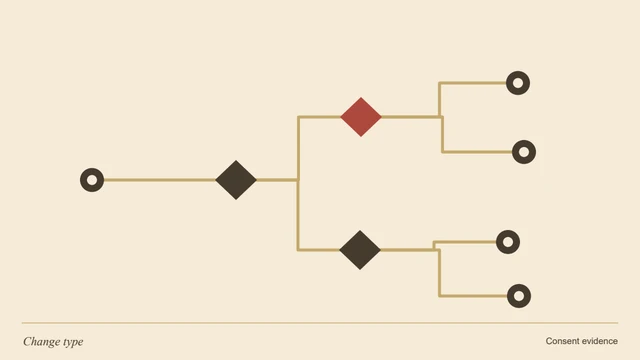
We collect consent and required details for one appointment or resignation and hand the pack to the appointed agent.
We coordinate one approved name change with the appointed agent and deliver a trading-name update checklist.
We coordinate one standard formation, one banking application pack, one follow-up and a records handover for up to two directors. The applicant controls submission and the provider decides whether to open the account. A supervised agent handles formation. Statutory and agent fees are separate.
We review one existing shop against a 15-point opening checklist and return the five most urgent actions.
We compare three selling platforms against the merchant’s catalogue, payment and staffing needs.
We inventory up to 100 products and 30 pages and map what must migrate, redirect or retire.
We configure and test delivery of three merchant-owned downloads in one existing store.
We specify trade access, order minimums and price-list rules for one proposed wholesale channel.
We score ten listings for missing fields, unclear titles and image gaps and return a prioritised edit sheet.
We reorganise up to 80 products into a navigable collection tree with naming rules.
We standardise sizes, colours and variant names for up to 20 parent products in an import-ready file.
We transform a supplied spreadsheet of up to 100 product rows into one platform’s import format and validate it.
We configure three bundles from existing products with component rules and a test-order record.

We annotate one product page and propose a revised sequence for images, specifications and purchase decisions.
We review 30 search terms and supply synonym, redirect and zero-result recommendations.
We trace two authorised test purchases across mobile and desktop and return annotated fixes.
We configure one approved shipping matrix across three zones and test six example baskets.
We configure a merchant’s approved return rules for one store and test three customer scenarios.
We compare two marketplaces on published category requirements, selling costs and fulfilment options.
We adapt titles, bullets and attributes for eight approved products on one marketplace.
We trace up to 20 rejected feed items to source fields and supply a correction file.
We model fees, returns and fulfilment for ten products across two channels from merchant inputs.
We review one target market’s language, currency, delivery and service gaps and assign actions.
We build a reorder workbook for up to 50 items using supplied lead times and sales history.

We write six response paths for late, duplicate, failed and incomplete orders.
We create a collection brief, product placement plan and launch checklist for one range of ten items.
We sample one store’s journeys, merchandising and catalogue and deliver a prioritised 90-day plan and review call.
We map order-to-return work across two channels and deliver revised workflows, owners and a staff walkthrough.
We run a 45-minute decision session and supply a one-page choice memo with assumptions and next steps.
We compare three proposed markets using six agreed criteria and a sourced shortlist.
We map one business model and identify its three largest dependencies and practical tests.
We develop one market entry plan with route to market, milestones, resource needs and decision criteria.
We rewrite the promise and scope of one existing offer after a 30-minute founder briefing.
We turn three loosely defined services into buyer briefs with deliverables, limits and handovers.
We compare three charging models for one offer using customer and delivery assumptions.
We build a three-tier price ladder for one service line and model its delivery economics.
We rank 15 existing offers and recommend which to retain, combine, reposition or retire.

We specify a paid pilot with entry criteria, success measures and a conversion decision.
We turn one founder interview into a concise plan covering buyers, offer, distribution and milestones.
We facilitate a 90-minute leadership session and document five ranked priorities with owners.
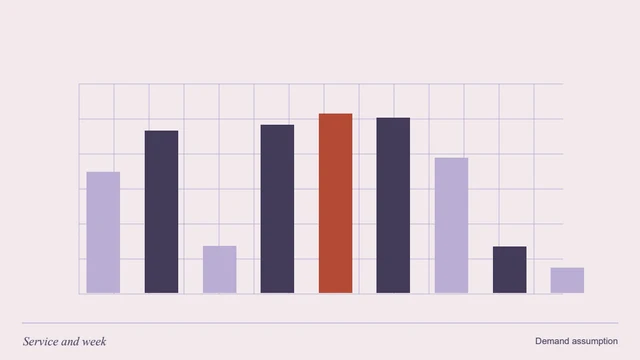
We model demand against team capacity for three services over 13 weeks.
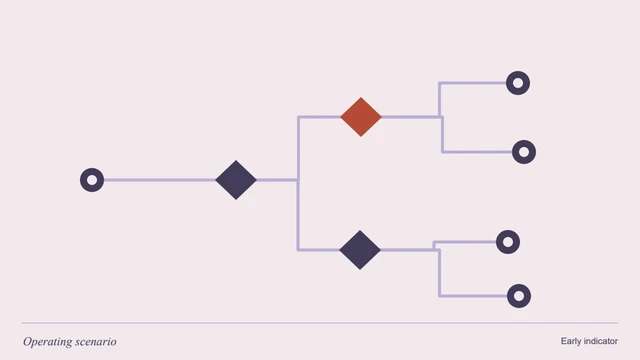
We create three operating scenarios and agree early indicators and responses with one leadership team.
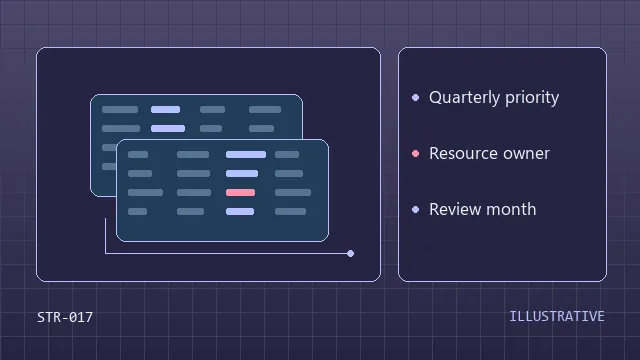
We build a 12-month operating calendar, resource assumptions and quarterly checkpoints for one unit.
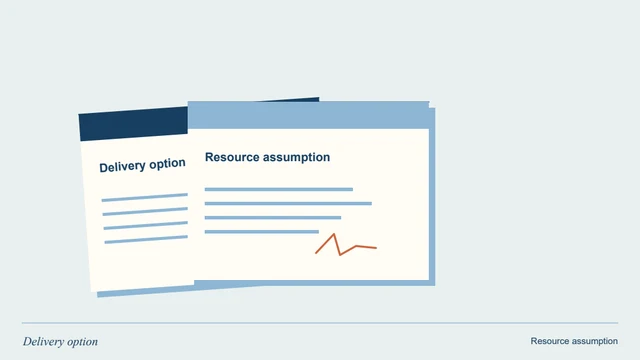
We develop an options paper with delivery assumptions, resource estimates and a recommendation.
We turn evidence from five supplied accounts into one buyer profile and disqualification checklist.
We compare four acquisition routes and specify a 90-day test for the two strongest.
We define recruitment criteria, partner economics, responsibilities and onboarding for one programme.

We map buying teams and next offers for three existing accounts using supplied records.
We translate five strategic objectives into measures, thresholds and review owners.
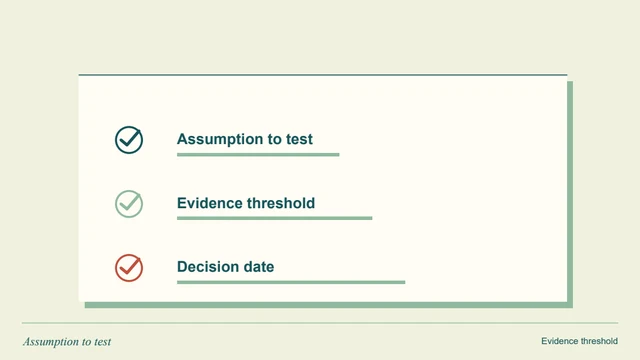
We create experiments, evidence thresholds and decision dates for five assumptions.

We design and run one remote half-day workshop and deliver a decision log and 90-day actions.
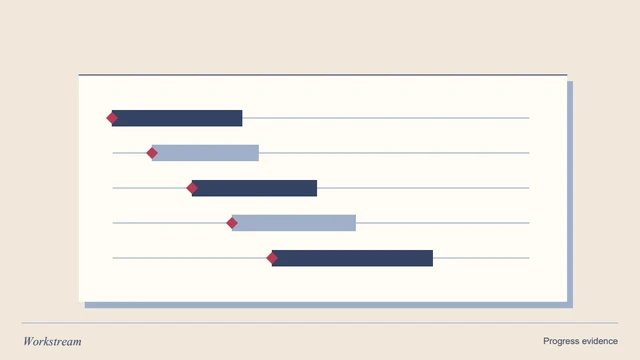
We translate one approved strategy into three workstreams and lead two online progress reviews over four weeks.

We write a 12-question guide and recruitment screener for one purchasing decision.
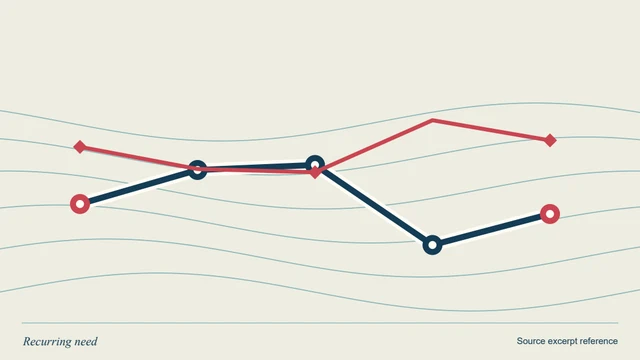
We code up to eight supplied interview transcripts and turn recurring needs into a ranked evidence table.
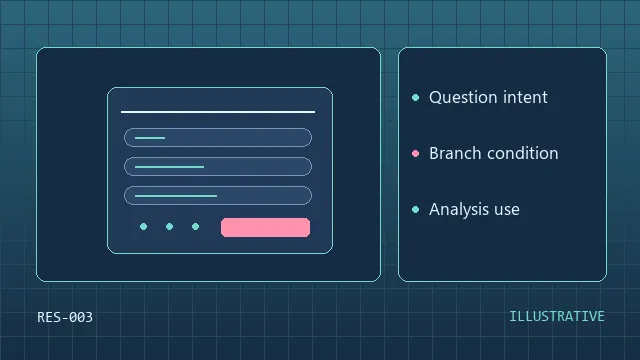
We develop up to 20 survey questions with branching and an analysis plan for one audience.
We run five online buyer interviews with client-recruited participants and map the stages of one purchase.
We group a supplied dataset of up to 2,000 customers into actionable segments and explain differences.
We compare three named rivals on one offer, headline price and target buyer using public pages.
We compare ten features across five named products with dated evidence links.
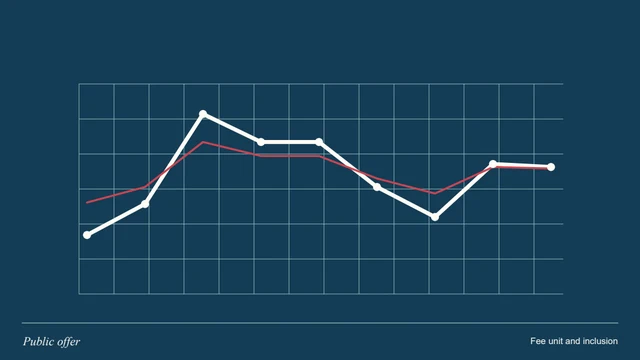
We build a dated workbook for 20 comparable offers with fee units and inclusion notes.
We analyse eight competitors and deliver a positioning map, an evidence pack and a leadership briefing.
We estimate one market from buyer counts and spending assumptions with low, central and high cases.
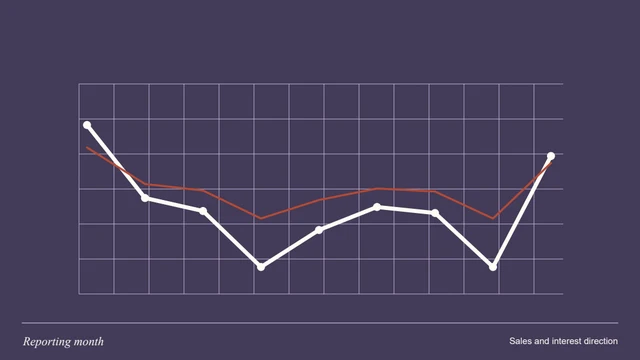
We compare 24 months of supplied sales and public interest signals for one category.
We classify 80 supplied or researched queries by buying intent and unmet need.
We design and run one online concept survey for a client-supplied panel and deliver a decision memo.

We compare three concepts in one remote test with a client-supplied panel of ten buyers.
We design and analyse one pricing survey of up to 200 client-supplied responses with method limits.

We interview four client-recruited former prospects and report recurring decision factors.

We observe five remote users attempting three tasks in one client-supplied prototype.
We analyse up to 20 historical public notices for one sector and identify repeat buyer needs.
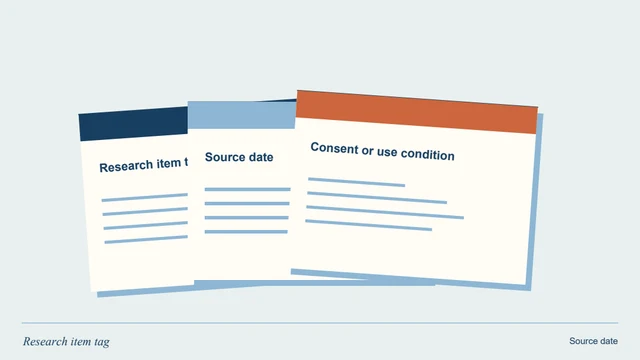
We organise 30 research items with tags, source dates, consent fields and retrieval instructions.
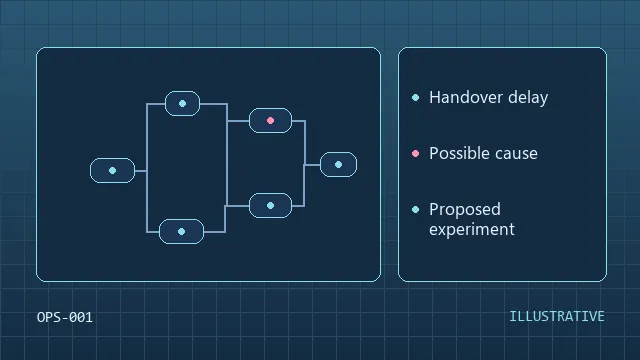
We trace one recurring delay in a 45-minute interview and deliver a cause map and two fixes.
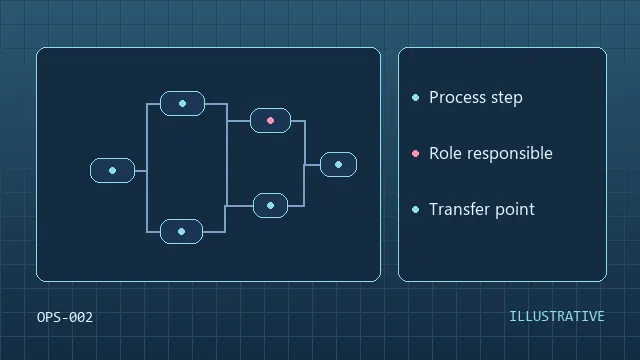
We map one process of up to 15 steps from two team interviews.
We map customer actions, staff work and systems for one end-to-end service journey.
We review ten failed handovers and provide revised checkpoints and ownership.
We define roles, routines and inter-team interfaces for one service unit of up to 20 staff.
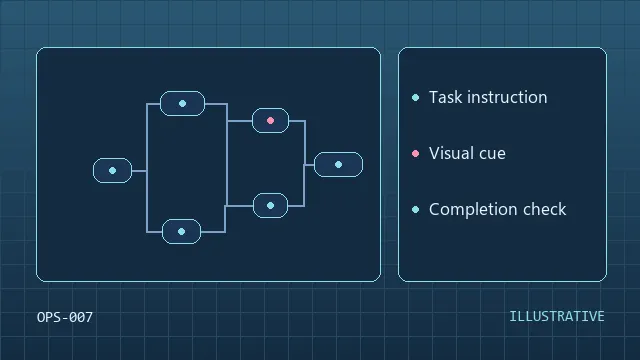
We turn one recorded walkthrough into an illustrated operating procedure of up to eight pages.
We define ten completion checks and evidence requirements for one repeatable client service.
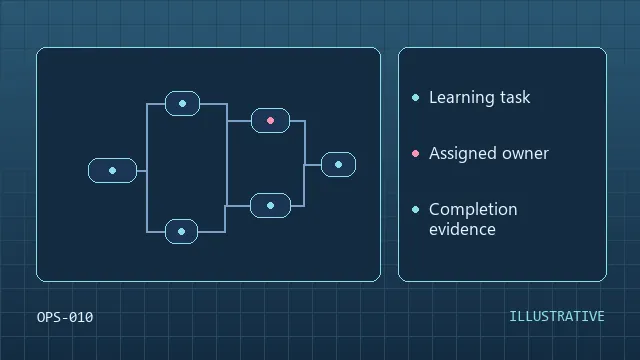
We build a 30-day role-based induction with tasks, owners and evidence of completion.
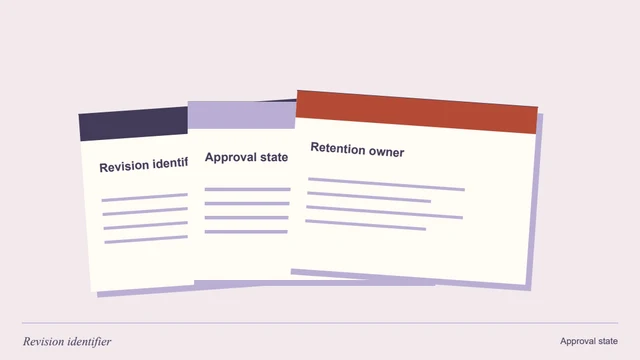
We set up a naming, approval and retention workflow for one shared document library.
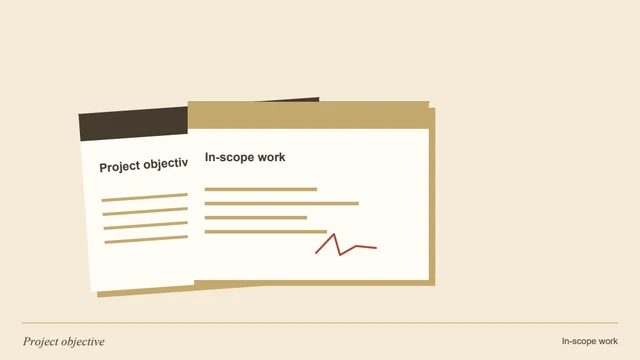
We define objectives, scope, stakeholders and completion criteria for one internal project.
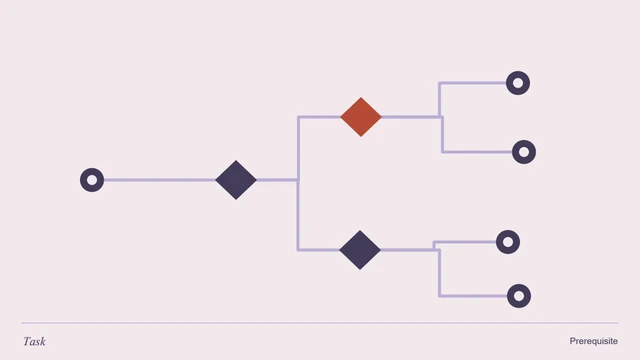
We map up to 40 tasks and identify the dependencies most likely to delay delivery.
We review one delayed project, interview three stakeholders and produce a recovery schedule.
We facilitate one remote session and document up to 20 risks with owners and responses.
We set up reporting, dependency tracking and escalation across three related projects.

We define five ticket classes with routing rules and examples from 25 supplied tickets.

We map complaint intake, evidence, resolution and escalation for one service line.
We redesign one service onboarding journey from signed order to project kickoff.
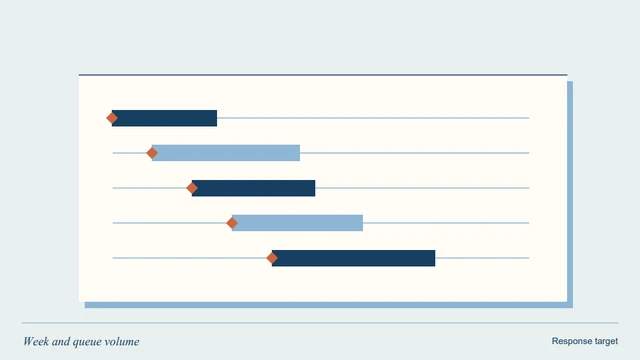
We build an eight-week staffing model from one queue’s volumes and response targets.

We build a sampling worksheet for checking one team’s completed work each week.
We set up an issue register, root-cause template and closure review for one service team.
We facilitate one two-hour remote disruption exercise and deliver a corrective action report.
We review up to 15 documents against one agreed quality framework and prioritise evidence gaps.
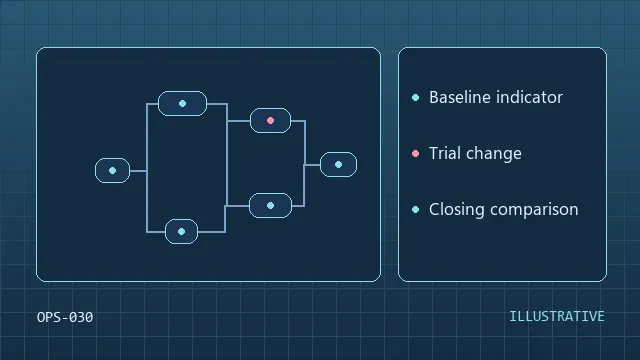
We design and coach a four-week improvement cycle for one process with baseline and closing reviews.
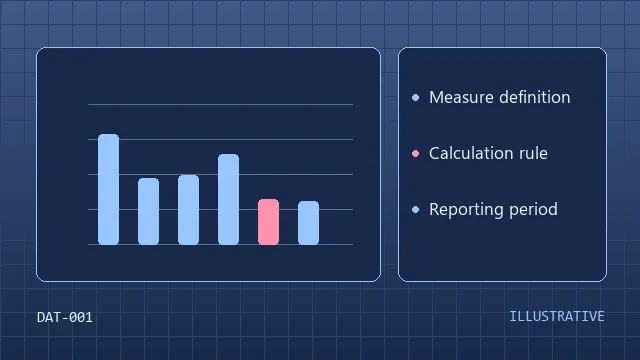
We review three measures in one call and deliver a definition card for each.
We document formulas, sources and owners for 15 business measures.

We define six funnel stages, events and reporting rules for one sales process.
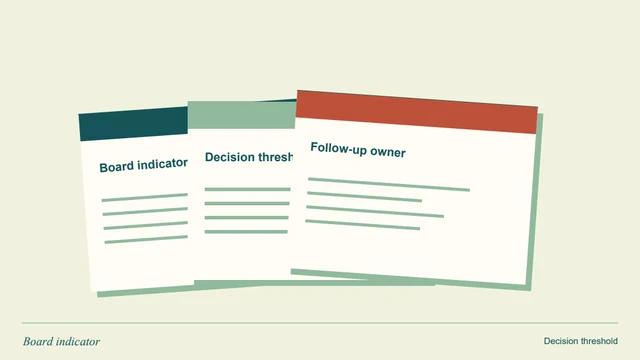
We design a board report with ten agreed indicators, thresholds and decision owners.
We review one workbook of up to five tabs and return a ranked list of data and formula risks.
We match up to 2,000 customer rows using agreed rules and return a reviewed exceptions sheet.
We reconcile two supplied files of up to 5,000 rows each and report unmatched records.

We build ten completeness, validity and consistency checks for one recurring file.
We combine three agreed exports into one documented refreshable reporting table.
We build one interactive view with six measures from one clean sales export.
We build cohort and repeat-purchase views from one transaction history and document assumptions.
We visualise volume, backlog and turnaround for one queue with up to eight measures.
We flag stockouts, excess stock and missing lead times for up to 500 items.
We connect three agreed sources, build three management views and train two report owners.
We analyse one funnel and two periods to locate the stage and segment driving a decline.
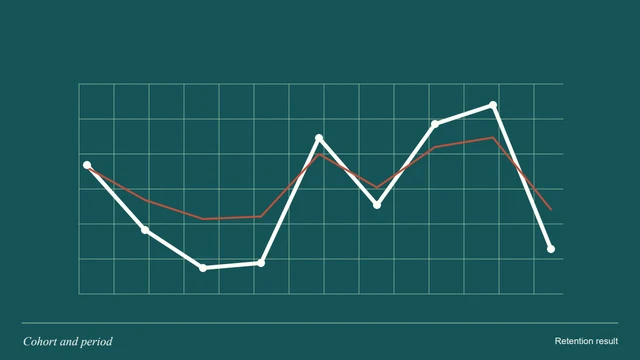
We compare retention across four cohorts and identify the largest observable churn differences.
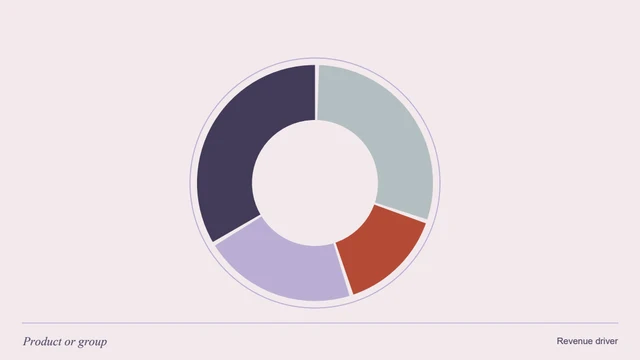
We decompose a change in revenue into volume, price and mix across up to 30 products.
We assess one completed test, quantify uncertainty and write a decision note.
We build a rolling 12-month sales forecast for three lines with editable assumptions.
We model three demand scenarios against staffing and delivery constraints for one unit.
We document and test a repeatable refresh for one report and two source files.
We review one reporting environment and deliver a dependency map and owner handover pack.
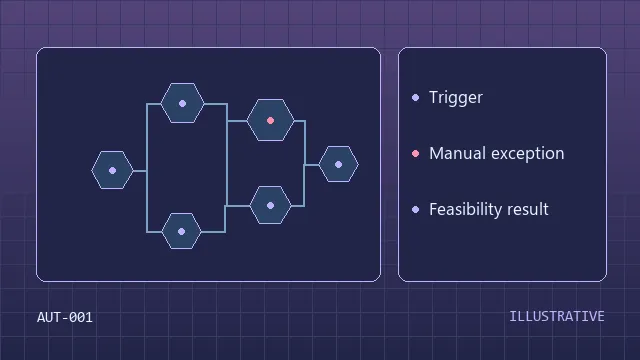
We assess one repetitive office task and return a feasibility card with a manual fallback.
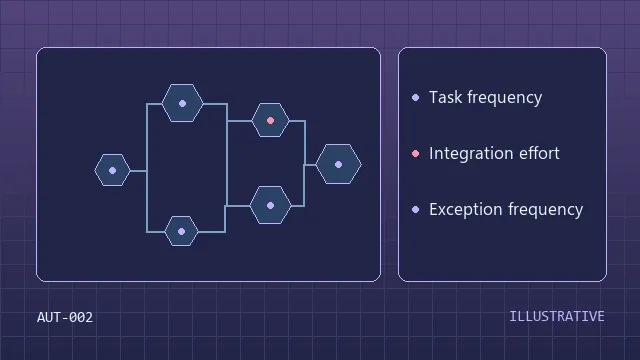
We review ten workflows and rank them on time saved, complexity and exception frequency.
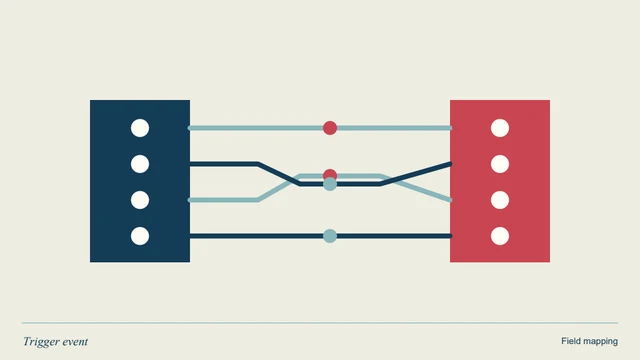
We specify triggers, fields, error paths and acceptance tests for one proposed integration.
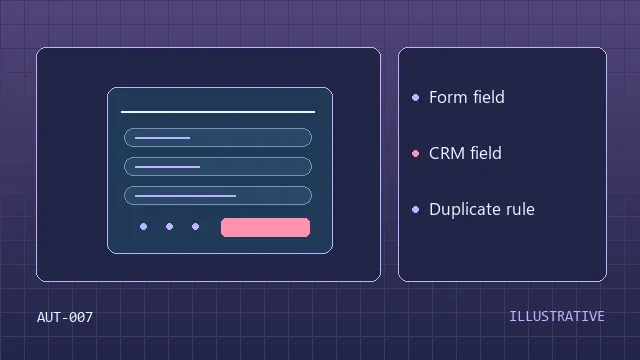
We connect one approved web form to one CRM with field mapping, duplicate rules and five tests.
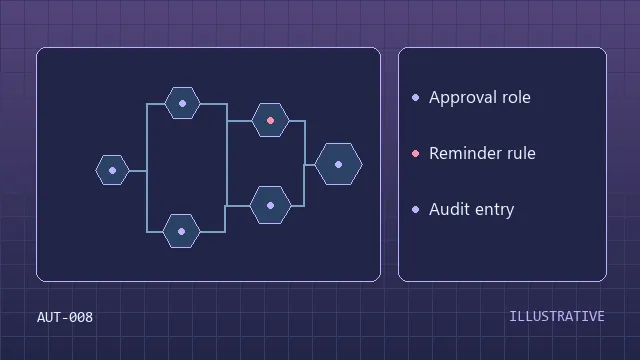
We implement a two-stage internal approval flow with reminders and an audit trail in one existing tool.
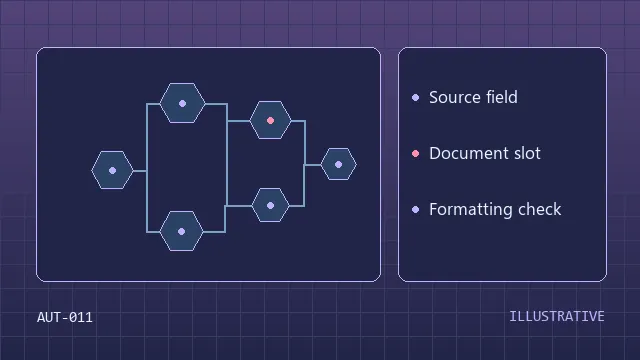
We generate one branded document from an approved template and one structured input source.
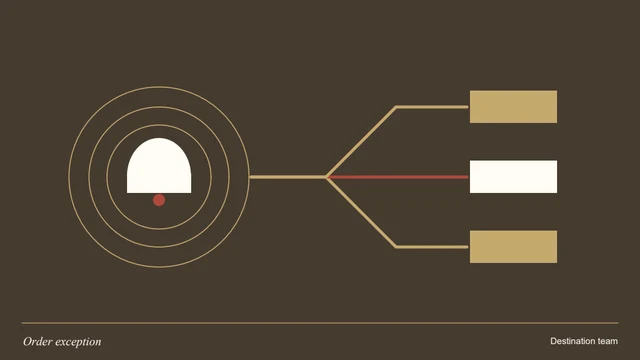
We route three order exceptions to the appropriate team with failure notifications.
We assess three proposed uses against available data, review needs and expected benefits.
We create ten prompts for one team with input examples and human review criteria.
We configure a drafting workflow for one document type and test it on 20 approved examples.
We build a read-only pilot over 25 approved documents with source citations and test questions.
We create 40 representative cases with scoring guidance and failure examples for one task.
We run a two-hour remote session for up to ten staff using three approved work scenarios.

We review one automation’s run history and document its three leading failure modes.
We set up failure alerts and a weekly health report for three existing workflows.
We document the manual alternative and recovery checklist for one business-critical workflow.
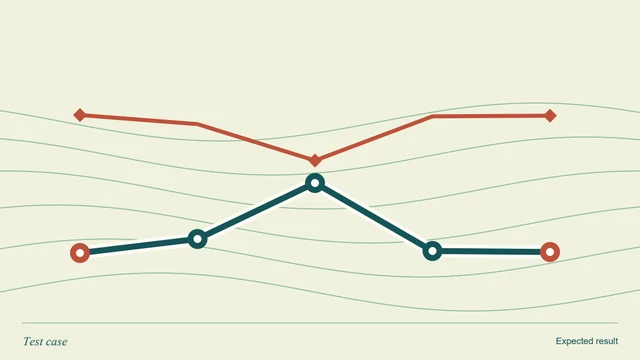
We build a 15-case test pack for a proposed workflow change in a customer-approved test space.
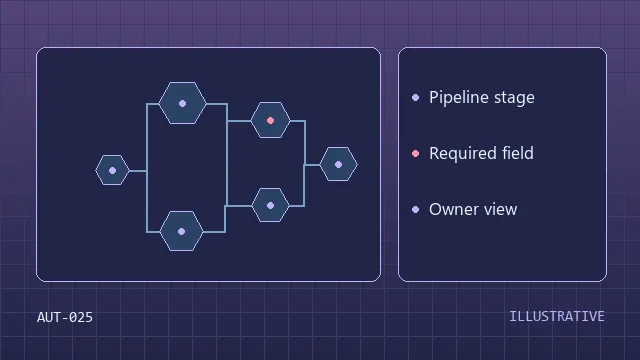
We configure one sales pipeline with six stages, required fields and two user views.
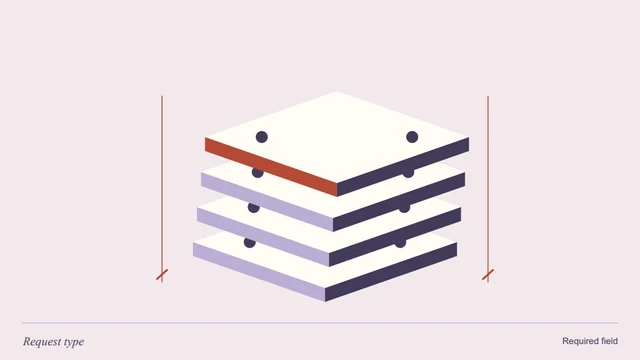
We build one team queue with five request types and triage ownership.
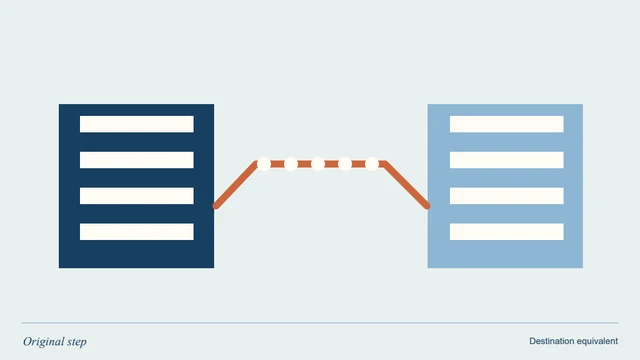
We migrate one workflow of up to ten steps between two agreed automation tools.
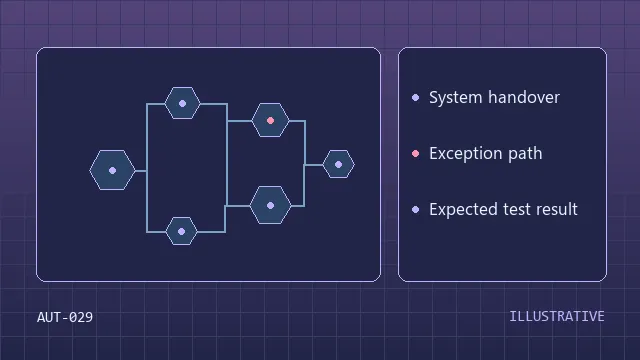
We implement one three-system pilot with exception handling, 20 test cases and a handover session.
We turn one buying requirement into a search brief with five qualification questions.
We identify ten potential suppliers for one category and document public evidence of fit.
We score five named suppliers against eight agreed operational criteria.
We compare three sourcing regions on supplier availability, lead time evidence and operating constraints.
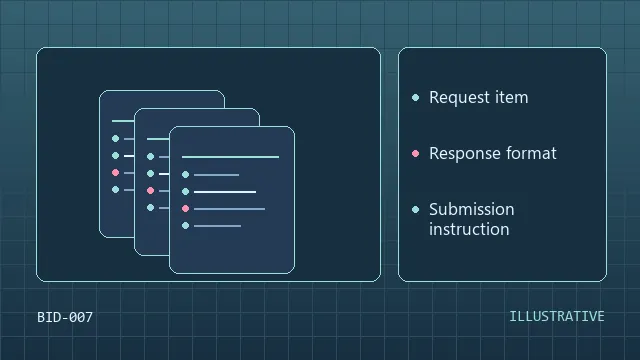
We prepare an RFQ, pricing sheet and response instructions for one non-complex requirement.
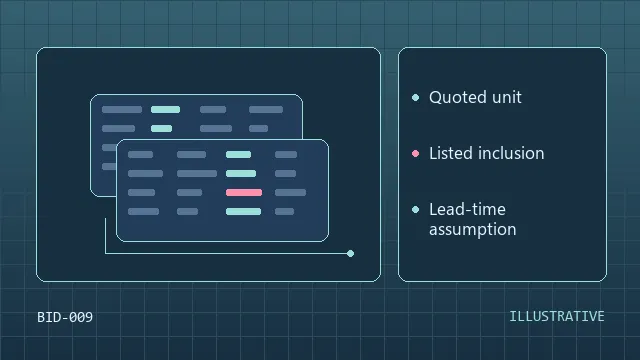
We compare four quotes on equivalent units, inclusions and lead-time assumptions.
We design weighted criteria, scoring instructions and moderation notes for one purchasing decision.

We facilitate a two-hour remote scoring meeting for four bidders and document the decision rationale.
We coordinate one RFQ to five client-approved suppliers through a documented evaluation and handover.
We build a document checklist, ownership map and exception route for one supplier type.
We define eight service and delivery measures and produce a reusable review workbook.
We extract dates and owners from up to 20 supplied agreements for operational tracking.
We analyse 12 months of spend to identify dependency on suppliers and propose mitigation options.
We plan the operational transfer from one supplier with continuity tasks and acceptance criteria.
We assess one tender of up to 40 pages against evidence, capacity, deadlines and commercial fit.
We map up to 50 tender requirements to response owners, evidence and submission fields.
We index 30 client-approved credentials, examples and supporting documents for reuse.
We draft one tender method statement up to 1,500 words from verified client evidence.

We turn three deliverable commitments into one measured tender response with accountable owners.
We check one supplied pricing workbook for arithmetic, missing fields and unit consistency.
We review up to 6,000 words against the published criteria and hold a one-hour debrief.
We translate one buyer feedback letter and scoring sheet into a ranked improvement plan.
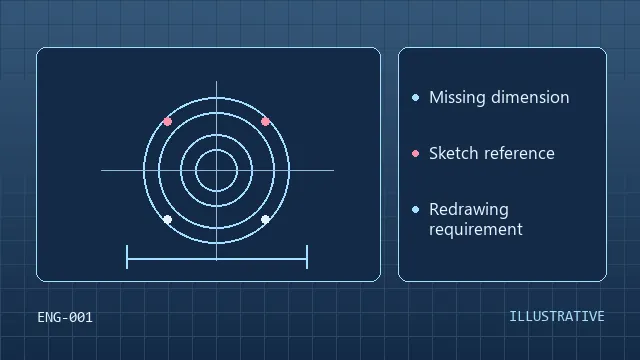
We review one marked-up sketch and return a dimensional gaps list and redrawing brief.
We compare two revisions of one drawing and deliver an annotated change log.
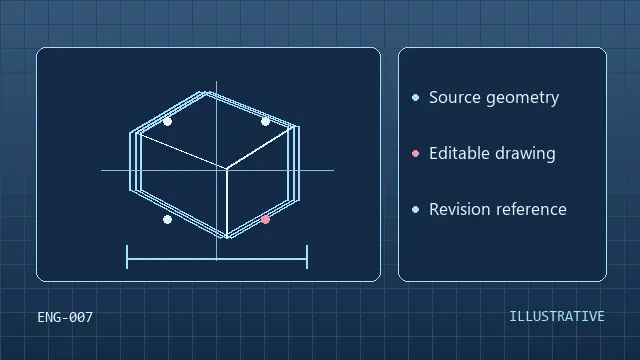
We redraw one fully dimensioned simple part in 2D and deliver editable CAD and PDF.
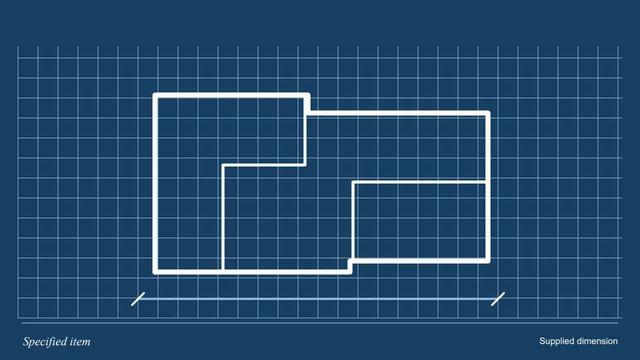
We arrange up to ten client-specified items on one reference drawing using supplied dimensions.
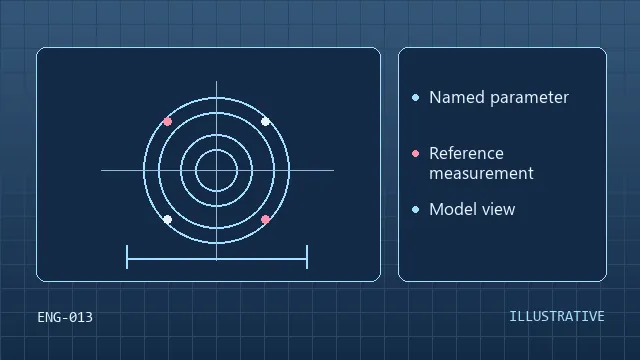
We build one parametric model of a non-critical part from complete client dimensions.
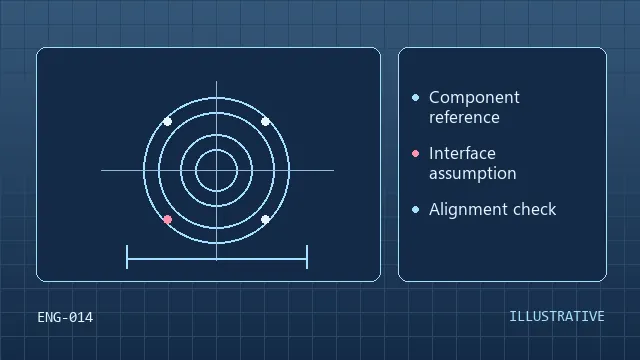
We assemble up to eight supplied compatible part models and document interface assumptions.
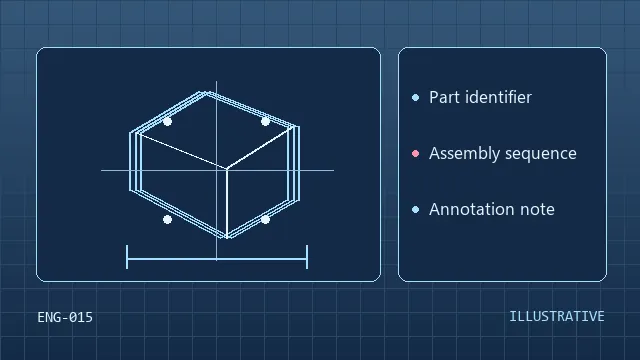
We create one annotated exploded view for a supplied assembly of up to ten parts.
We deliver three neutral-background images from one supplied clean CAD model.
We model two non-structural enclosure concepts around supplied components and prepare review images.
We translate one brief into up to 40 traceable requirements with evidence and unresolved questions.
We compare three non-critical design concepts against eight client-approved criteria.
We organise up to 75 supplied parts into a versioned BOM with quantities and identifiers.
We trace one proposed change across up to 15 supplied drawings and parts lists.

We run a two-hour remote concept review with an issue log and owner assignments.
We prepare three reference drawings and an open-questions sheet for supplier quotation.
We turn client-approved dimensions and limits into one recording sheet for up to 20 checks.
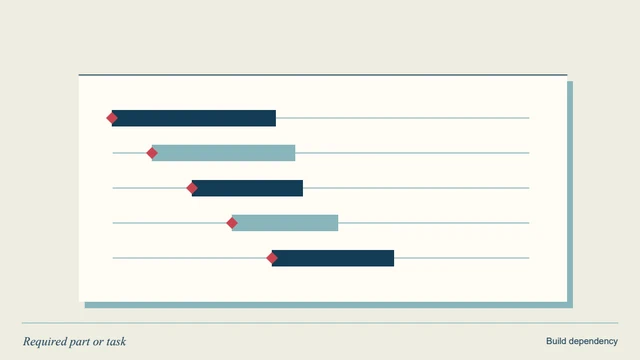
We plan one non-critical prototype build with parts, sequence, dependencies and review points.
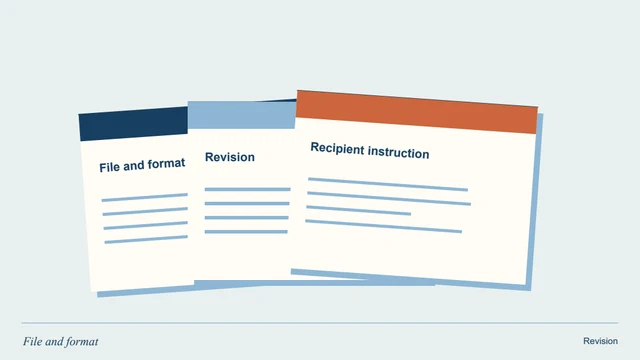
We package up to 50 design files with a manifest, revision list and recipient instructions.
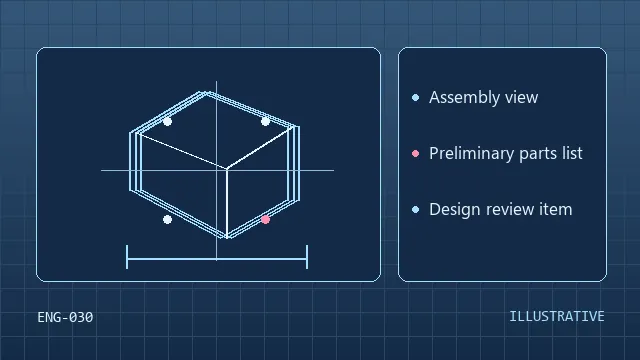
We deliver a reference assembly model, five drawings, preliminary BOM and two remote design reviews.
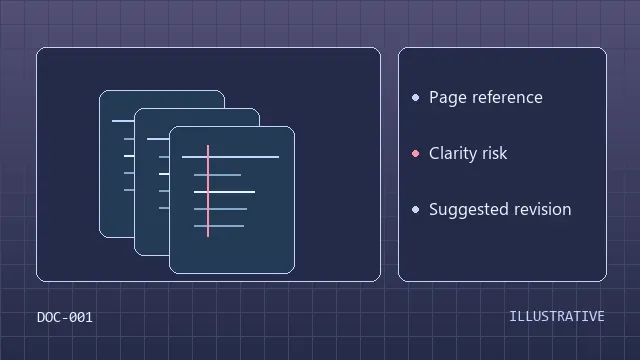
We annotate five pages of one manual and identify the highest-priority clarity and navigation fixes.
We write an illustrated two-page first-use guide from one approved product demonstration.
We turn approved product data into one customer-facing two-page technical datasheet.
We produce a 20-page illustrated manual from approved source material and two expert interviews.
We build a decision tree for one product issue with up to 15 diagnostic branches.
We write ten support articles from approved tickets and organise them into a searchable structure.

We rewrite up to 30 user-facing messages with a cause and a practical next step.

We interview three stakeholders and map skill gaps for one product or process.
We design a six-module learning path with objectives and assessment criteria.
We produce five short text-and-image lessons from approved training material.
We write 30 scenario questions with answer rationales for one course.
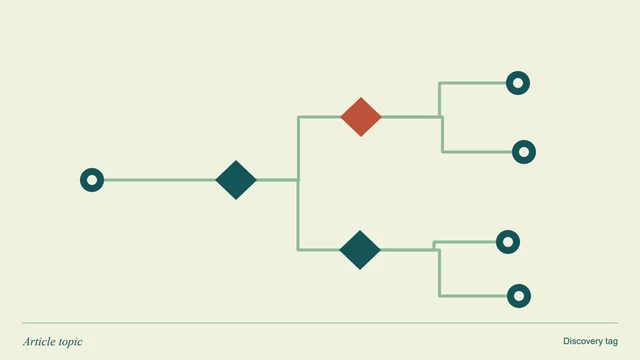
We organise up to 80 articles into a topic tree with tagging and ownership rules.
We create a six-page technical writing guide with examples from the client’s own documents.
We define and reconcile 50 product terms with one approved source for each.
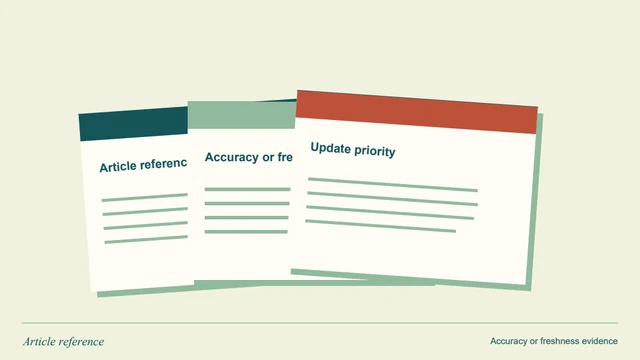
We score 60 articles on accuracy evidence, age and usability and prioritise updates.
We rewrite up to 1,500 words of technical instructions for a defined reader group.
We review one ten-page document for structure, headings, reading order and text alternatives.
We identify ambiguous terms, embedded text and regional assumptions in 15 source pages.

We create six annotated instructional panels from supplied photographs or screenshots.
We prepare one approved guide and five support articles in two agreed output formats with a release manifest.
Prepare for company formation and business banking with a clear record of requirements and responsibilities.
Make catalogues easier to use and improve how online orders, delivery and returns are handled.
Turn decisions about markets, offers and channels into plans that can be tested.
Collect and interpret evidence about customers, competitors and demand.
Document processes, recover delayed projects and set up practical quality controls.
Prepare reliable datasets and turn operational and sales information into decision tools.
Pilot integrations and automation with explicit permissions, checks and a handover.
Organise requirements so supplier comparisons and tender decisions are easier to defend.
Bring structure to sketches, CAD models and the documentation used to discuss a design.
Create guides, support material and training that help people complete specific tasks.
If your sales figures disagree between systems, start with reconciliation before specifying a dashboard.
A focused assessment may identify risks and next steps.
Share the service reference when making an enquiry.
If your sales figures disagree between systems, start with reconciliation before specifying a dashboard. If shoppers struggle to find products, compare catalogue organisation against a listing review. Use the categories below to narrow the directory based on the task or decision that needs attention.
A focused assessment may identify risks and next steps. Implementation can involve configuration, testing and handover. Read the individual page for what to supply, indicative timing and any review required. Similar names can lead to different results, so check the written scope before requesting work.
Share the service reference when making an enquiry. Tell us what you have, what you want to change and which deadline matters. Related links can help when one task prepares another. A technically complete drawing brief, for example, makes later CAD work less dependent on assumptions.
Include the service or project reference when getting in touch. Describe the task, what you already have and what action you want to take so we can identify the relevant scope, contact or policy.
Search for a service name, category, ID or the kind of work you need. A category list is also available when you want to scan related services together or compare different starting points.